



Guest Blogs
Knowitall.ch often invites local experts in their field to contribute to their own blogs on our site. This means not only you will benefit from the useful recommendations that we make on our News pages, but you can also profit from some of the great advice and tips that these experts have to make on their favorite subjects. Whilst each of these bloggers has been recommended to us at some point during the evolution of Know-it-all passport and knowitall.ch, obviously we are not able to test out all the suggestions they make on their blogs, nor do we necessarily agree with all their opinions. So if you do find one of their tips useful (or not!), do let us know!
To make these blogs more accessible to you, we have now decided to group them altogether in one section, entitled Guest Blogs, accessible from our main menu bar. We will also post the most recent blogs on the home page of our site in the right hand column.
We are still building up this area of the site, and are looking for bloggers in a number of sections, including Your Home, Travel, and Leisure, so if you feel you have a useful contribution to make in either of these areas, and have the time to submit blog entries approximately every month, then please get in touch!
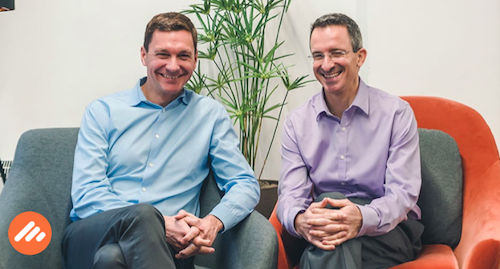
Angus Ridgway and Tal Ben-Shahar ©Potenialife
By Sunita Sehmi, Walk The Talk
We know that leaders are avid readers and in a market flooded with leadership books sighting leadership as a challenge, The Joy of Leadership offers a renewed and captivating vision on how truly joyful leadership can be. Based on research and science, it is both practical and easy to apply. I found it provides authoritative insights and valuable tools to prepare any leader to flourish.
More than a management book, it’s practical, easy to read and full of life skills. A sensible and humanistic approach to a very human behaviour, leading. Both Angus and Tal are co-founders of Potentialife. I was very fortunate to interview one of the authors, Tal Ben Shahar. Enjoy!
Tal Ben-Shahar (www.potentialife.com; Israel) is a speaker and author of the international best sellers Happier and Being Happy. He taught two of the largest classes in Harvard University’s history, Positive Psychology and The Psychology of Leadership. Tal is co-founder and Chief Learning Officer at Potentialife, a leadership development organization.
Angus Ridgway (London, UK) is Co-Founder and CEO of Potentialife. Previously he was with McKinsey, and led the Strategy Practice in Europe, Middle East and Africa, overseeing the work of over 1,000 colleagues. In addition, for over 10 years he led Leadership Development functions at McKinsey, most recently for the global group of 1,500 Partners.

Rapport is the foundation of influence and impact. An American psychiatrist and psychologist, Milton Erickson, once said, "With rapport, everything is possible. Without it, nothing is possible."
So what is this magical ingredient in effective communications? It is about being on the same wavelength as someone else so that we feel connected. It often involves having shared values, beliefs or similar life experiences. I know, for example, that I usually instantly connect with someone who is or has been a journalist due to my time at the BBC.
But how do you build rapport with an audience made up of many different individuals? This is vital when you are speaking in public presenting, giving a keynote speech or sitting on a panel at a conference.
Many of the things that you do naturally one-on-one are applicable, such as finding common ground, asking questions and actively listening to what they are saying.
But when you want to build rapport with an audience, you need to use these skills more consciously.
Let me explain by sharing my list of how to do it, based on my experience as a moderator and public speaking coach.
Finding common ground
When you prepare your speech or remarks you need to think about your audience first and foremost. What are their needs, expectations and challenges? Far too often presenters think that communication is a one-way process but to have impact you need to ensure that your message has got across to the audience so that they are not only engaged but also feel, say or think differently as a result of your presentation.
By Tara Lissner, Swiss Gardening School
Harvest is a time of new beginnings, as the long hot summer draws to a close, the hum of traffic increases as schools return to their academic routines and the garden gives its final push of colour and splendor before the weather changes and autumn is really upon us. We have had the most spectacular summer season. The Swiss federal office of meteorology has declared 2018 the third hottest summer since records began in 1864; only 2003 and 2015 were warmer. Rainfall this year has also been record breaking, noticable by its absence, between 20-30% below average. These extreme weather conditions affect the home gardener making planting decisions more and more critical. Right plant right place the byword of Beth Chatto, the well-known British plantswoman, is now more important than ever.
How have you coped with these tricky conditions this summer? My lawn is once again dry and yellow with the soil beneath parched and dusty. I thought the pots on my terrace were large enough to cope with dry conditions but they have proven to not be big enough, note to self even larger pots for next year. Leaves are turning and falling from the trees at a surprising rate much earlier than I’m used to. The fruit on my trees are already mature which caught me a little off guard. Always adapting to changing conditions, there is never a dull moment.
On a more positive note, the roses have been truly magnificent, repeat blooming varieties giving their all for the entire summer – I don’t know how a garden can be complete without a rose. Returning from a trip a few years ago to find courgettes the size of a small dog, I refrained from planting them this year however we have enjoyed weeks of delicious fragrant cherry tomatoes with basil and more green beans than I know what to do with. My direct vegetable seed sowing efforts were less successful. I think the super hot conditions combined with sporadic watering just sunk them. Next year I’ll give in and spend time filling fiddly seed trays with compost and transplant out seedlings when they are robust enough to survive. Something I have not missed this year is slugs. For once the heat seems to have significantly impacted their numbers, let’s hope this means going into autumn there will be even fewer of these pests around to damage our plants. The box wood caterpillar however is never far off and I’ve ended up spraying against this pest already twice this summer. I keep a keen eye out for small white moths, I occasionally spray a jet of water from the hose through the small hedges to see if there are any to disturb. If I find some flying away I next take a closer look for caterpillars and their webbed cocoons. As I’ve mentioned before the best product on the market at the moment is Delfin by Andermatt Biogarten. This product is a drench which must be sprayed onto the shrubs in two parts, two to three weeks apart. Please think carefully before you plant box, while adding structure and form to the garden it now also brings significant maintenance.

Photo by Oliver Hihn on Unsplash
By Dr. Irina Schurov, LiveRight
I am sure you have noticed that our days have been getting shorter and that we now experience far less sun light exposure. At this time of year lots of people start to undergo a form of seasonal blues, lack of energy and emotional slumps. People who are especially sensitive to such changes of environment can sometimes be diagnosed with Seasonal Affective Disorder (SAD). Of course, children who experience troubles with learning, concentration, sensory issues and emotional challenges will be even more susceptible to lack of day light. For example, it was shown that deficiency of sun light can potentially lead Asperger’s children to have low self-esteem, feel disappointment, isolation, mood swings and a lack of motivation. Consequently, while everyone feels the shortage of light exposure, we all tolerate and adapt to it in different ways.
From a biological perspective, as the seasons shift, our bodies experience certain biochemical changes, which are absolutely normal! Although humans aren’t as seasonal as animals and we do not hibernate in the winter, environmental changes have a clear impact on our biology!
Our master clock, located in the hypothalamus, responds to light by secreting certain hormones such as serotonin, which helps the body to feel awake, alert and satisfied. When it is dark, serotonin is converted to melatonin, making the body feel sleepy. It is for this reason that lack of day light causes hormonal imbalance, leading to many troublesome consequences, including sleep disorders, behavioral problems, hormonal imbalances and stress. To summarise; HUMANS’ ARE VERY DEPENDENT ON LIGHT!
Have you noticed that during the winter we try to compensate for our low levels of serotonin by reaching for comfort food and eating lots of carbohydrates and sweets? This gives us instant but fleeting satisfaction, which passes quickly and leaves us with long-term consequences such as elevated levels of blood glucose, extra weight, irritability and insulin imbalance.
Here is a quick check list of typical signs of SAD:
1. Depressed mood, low energy during the day
2. Anxiety or irritation, not handling stress well
3. Feeling lethargic and sleeping more than usual
4. Difficulty to concentrate and focus
5. Preferring to stay alone, less socializing
6. Craving for easy carbohydrates and sweets
7. Feeling a need for a sunlight
So, how can we prepare for this year’s winter? Here is a short list of changes you can implement into your routine, to ensure you experience a pleasant and energetic few months!
By Robert Harris, Forth Capital
Passive investing is an investment strategy that tracks an index and focuses on increasing portfolio values with limited day-to-day management of the portfolio itself. Management costs are therefore significantly reduced. Research shows that passive investment consistently beats the returns of actively managed funds.
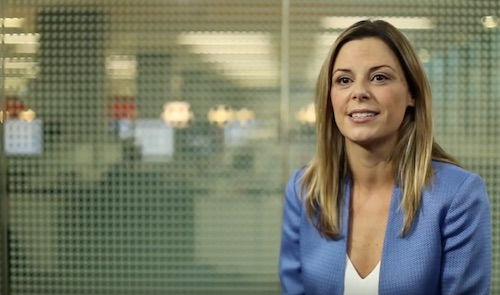
In this short video, Emma Morgan, Portfolio Manager at Morningstar Investment Management Europe, tells us about Forth Capital’s Next Generation Passive Investment Strategies, and the associated benefits.
Here are some quotes from Emma Morgan:
“Clear advantages of this approach are its low cost nature and the transparency that comes with passive investing. While returns are uncertain, costs are not, so minimizing charges helps to build investors’ wealth in the long term”
“These portfolios cater for investors from cautious to more adventurous and they’re investing globally in money markets, bonds and equities”
Watch the video now to find out more.
For further information on Forth Capital’s Next Generation Investment Strategies contact us on +41 22 311 1441 or click here and we can call you: https://www.forthcapital.com/about-us/contact-us/
Author's bio
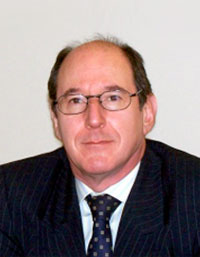
Robert Harris has over 25 years experience working for some of the major financial institutions in the City of London, including 12 years at Citibank where he was a Senior Banker. During his time at Citibank, Robert was responsible for global relationships with important financial institutions and instigated a number of landmark deals.
Robert is a founding partner of Forth Capital and has helped the company become the leading expat financial advisory company in Switzerland. He has been quoted in the Financial Times and numerous magazine articles.
For the www.knowitall.ch website, Robert invites various members of his team at Forth Capital to contribute blog articles on different financial topics that he thinks will be of interest to our readers.