



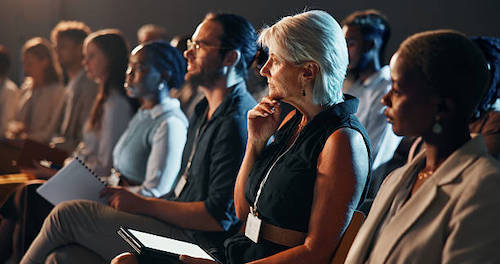
- Remember communication is a two-way process. It is not about you but about what the audience remembers afterwards. Think about your audience – their level of knowledge, their needs and expectations and their attitude to the subject you are talking about. If it is too complicated or already goes over what they know already, they will switch off and not engage.
- Identify your desired outcome. What do you want your audience to think/feel/say or do after you have spoken? This will help you define the outcome you want. For example, do you want them to feel reassured, inspired, motivated?
- Use this information to work out your key messages – the points you want your audience to remember so you achieve the outcome you want. These key messages are tailored to your audience and what you want them to remember. If you are talking to a difficult audience, such as the media who are innately skeptical, think about messages that respond to the most difficult questions they could ask you!
- Structure your presentation so it aids recall. Studies show that people recall information that they hear at the beginning, at the end, that is linked to their reality and is unusual. This means landing your key at the start, recapping in the middle and at the end.
- Follow the SUCCESS model. Developed by Chip and Dan Heath, this says a successful and memorable message is simple, unexpected, credible, concrete, emotional, and is illustrated with stories.
Author's bio
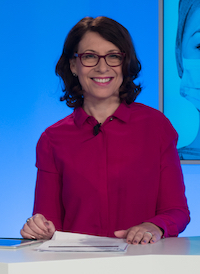 Claire Doole is a former BBC correspondent and international spokeswoman who is passionate about helping people communicate with confidence. Since 2006, she has successfully trained hundreds of professionals in the art of presenting and public speaking, talking to the media, managing communications in a crisis, and writing for the web. In addition, she has coached C-level executives and public figures to give powerful TEDx and TED style talks in Europe and the Middle East. A Swiss and UK national, Claire trains and coaches in French and English.
Claire is also a highly experienced moderator having facilitated panel discussions with government ministers, NGO activists, humanitarians and human rights specialists at major events.
Claire helps clients design their virtual, hybrid and in-person events and runs workshops on organising and moderating at events.