

Author bio
 Philippa Dobree-Carey Philippa Dobree‑Carey is a writer, award‑winning author, and safeguarding specialist who shares parenting tips, midlife meltdowns, and the mental load with sharp humour and practical clarity. She is the creator of The Mamaholic Monthly on Substack and the author of two guides: From High School to Uni and The Essential Job Search Guide for Students. Her work supports families through major life transitions with honesty, structure, and wit. Find her on Instagram @themamaholic.
Photo from Yulia Gapeenko on vecteezy.com
By Philippa Dobree-Carey, The Mamaholic
Teenagers are basically hormonal landmines with in-built AirPods.
One minute they’re charming and fun to hang out with, the next they’re stomping upstairs because you dared to ask if they’ve done their homework.
First comes the backtalk, then the mood swings, the sleeping‑until‑noon as if it’s a medical condition, and finally the humongous appetite that lets them inhale a family‑sized lasagne and still ask for a snack ten minutes later.
And then there’s the focus problem - or rather, the complete absence of one.
This isn’t your imagination. Their brain is genuinely under construction. The prefrontal cortex - the bit responsible for decision‑making, impulse control, and not saying something catastrophically stupid - won’t be fully formed until their mid‑twenties. Which explains why they can remember every detail of a TikTok reel, but somehow forget you asked them to take the bins out three times.
Add hormones, friendship fallouts, exam pressure, and the constant background hum of “everyone else is doing better than me,” and you’ve got a young person insisting they’re “fine” with all the conviction of someone who hasn’t slept properly in weeks.
So yes, they have issues focusing.
And no, it’s not because you haven’t reminded them enough.
By Philippa Dobree-Carey, The Mamaholic
Every year I ask myself how to get even more organised. You can check out the first part of this article (items 1-5) at this link. To continue on the theme of decluttering, I bring you items 6-10 now!
6. Beauty minis I keep for travelling or houseguests
I hoard mini products like I’m running a spa retreat. I have enough tiny shampoos, conditioners and face creams to go backpacking for six months, or host future houseguests who don’t exist. I try to palm them off on my kids, but they prefer decanting their own skincare, thank you very much.
Benefit: Space
No more minis rattling around in drawers like maracas every time you open a drawer.
Action: Keep a couple for travel. Let the rest go. You are not operating a boutique hotel.
7. Books I’ll Never Read Again
My shelves are full of books I meant to read, reread, or just look clever owning. Some of them have travelled through a few house moves without ever being opened. They deserve better.
Benefit: Education
Triage to rediscover forgotten gems and (re)educate yourself, then free up space when you pass them on.
Action: Choose one book from your shelf and start it this week.
8. Jeans I Don’t Need
I have so many jeans, yet every new trend convinces me I need one more pair. Skinny (not so much anymore), straight-cut, wide, cropped, ‘vintage wash’ ... I’ve basically lived through every denim era except the one I refuse to revisit: low-rise. Absolutely not. Whoever invented those clearly hated women and wanted us all to suffer.
Benefit: Comfort
Jeans take up space and rarely spark joy unless they fit perfectly.
Action: Try on every pair you own. Keep the ones that make you feel great. Donate the rest.
9. Random home decor that is trendy but not useful
Storage baskets, decorative bowls, chain link ornaments. All the things Pinterest told me I needed, but that now sit around collecting dust and regret.
Benefit: Clean
Fewer dust collectors mean surfaces can breathe.
Action: Pick one drawer, tabletop or shelf each month and clear it.
10. Newsletters I subscribe to but never read
I sign up with the best intentions – or for the freebie, tbh. Who doesn’t?
But then the automated follow-ups pile up like digital laundry. Thanks for the support and all that, but I do not need 47 unread emails in the morning reminding me to join the workshop I thought I wanted when I saw the ad, but have since changed my mind.
And don’t pressure me with reminders that feel slightly judgy.
Benefit: Calm
Your inbox stops acting like a to-do list you never agreed to.
Action: Unsubscribe from three today. Keep the ones you actually enjoy (hi!).
Obviously don’t unsubscribe from mine! In fact, share it to your entourage.
Please and thank you.
2026 is the year of ENOUGH
Not a year of restriction. A year of using what you already have.
Not a year of guilt. A year of clarity.
Not a new you. Just a lighter, calmer version of the one you already are.
Your turn - What are YOUR intentions for 2026
Before you go, I’d love to know where you see yourself in all this. Be honest — this is a judgement‑free zone (unless you’re hoarding 47 candles, in which case… we need to talk).
Author bio
Philippa Dobree-Carey Philippa Dobree‑Carey is a writer, award‑winning author, and safeguarding specialist who shares parenting tips, midlife meltdowns, and the mental load with sharp humour and practical clarity. She is the creator of The Mamaholic Monthly on Substack and the author of two guides: From High School to Uni and The Essential Job Search Guide for Students. Her work supports families through major life transitions with honesty, structure, and wit. Find her on Instagram @themamaholic.
By Philippa Dobree-Carey, THE MAMAHOLIC
Every year I ask myself how to get even more organised.
My friends will sigh and roll their eyes when they read this, but here we are!
This year, I’m going to be less efficient.
How? By running down the stocks of things I buy “just in case”. The things I convince myself are practical, but that quietly gather dust or skulk silently instead of being used.
I’m choosing to use what I already own and let go of the items that take up space but add nothing to my life.
10 things I’ll STOP buying and START decluttering in 2026 I have split the article into 2 parts. You can read items 6-10 next week.
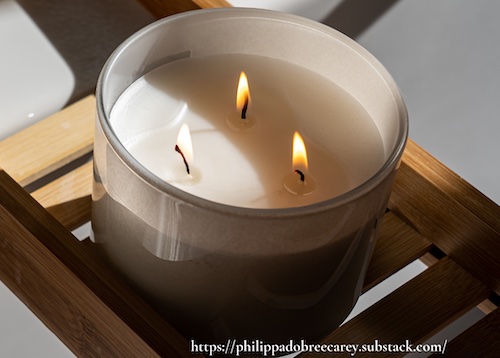
1. Candles I love but don’t burn
I love candles. I’m always searching for that perfect scent that lingers without being overwhelming. I have a whole drawer full of them that I’ve been saving for ‘special occasions’.
But what actually counts as a special occasion?
Your bestie popping in for a glass of wine?
A self-care Friday night when you have the house to yourself and you’ve ordered a takeaway?
The fancy dinner you keep meaning to host but haven’t actually scheduled since Covid struck?
Benefit : Sanity
By Philippa Dobree-Carey, From High School to Uni

By Philippa Dobree-Carey, From High School to Uni
- Carbs: rice, pasta, quinoa, couscous
- Proteins: eggs, tinned beans, lentils and tuna
- Mixed veg: frozen spinach, broccoli and peas, tinned tomatoes
- Condiments: salt, pepper, soy sauce, mixed herbs, stock cubes
- Extras: cooking oil, flour, peanut butter
Latest news


- 1
- 2
- 3
- 4
- 5
- 6
- 7
- 8